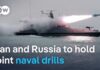


France has pledged military defense for Gulf nations and Jordan following Iran’s unprecedented expansion of missile and drone attacks beyond Israeli and US targets to strike civilian infrastructure across allied Arab states.
Story Snapshot
- French Foreign Minister Jean-Noël Barrot announces France ready to defend eight Gulf nations and Jordan against Iranian aggression
- Iran escalates attacks to target civilian airports, energy infrastructure, and cities in Dubai, Doha, and Manama after US-Israeli operation killed Supreme Leader Ali Khamenei
- France, Germany, and UK issue joint statement willing to neutralize Iran’s missile and drone launch capabilities
- Gulf states’ previous security strategy of balancing US alliance with improved Iran relations fundamentally collapsed
- Approximately 400,000 French nationals in region face potential evacuation as diplomatic efforts fail
France Commits Military Support to Eight Allied Nations
French Foreign Minister Jean-Noël Barrot announced Monday that France stands ready to defend Gulf countries and Jordan against Iranian attacks. The minister explicitly named eight allied nations deserving French military support: Saudi Arabia, United Arab Emirates, Qatar, Iraq, Bahrain, Kuwait, Oman, and Jordan. This declaration followed Iran’s retaliatory missile and drone strikes targeting these nations after a weekend US-Israeli military operation killed Iran’s Supreme Leader Ali Khamenei. France joins Germany and the United Kingdom in issuing coordinated statements affirming Western readiness to protect Gulf interests.
Iranian Strikes Cross Critical Escalation Threshold
Iran expanded attacks beyond military targets to strike civilian infrastructure across Gulf cities, marking what security analysts describe as crossing a dangerous new threshold. Monday attacks affected Dubai, Doha, and Manama, targeting airports and energy facilities. Iran announced launching fifteen cruise missiles at US naval and air assets in the Indian Ocean. These strikes represent significant escalation from Iran’s typical focus on Israeli and American military installations. Security experts warn this targeting pattern creates immediate risks for mass casualties and critical infrastructure failure that could trigger direct Gulf state military retaliation.
Gulf States Face Impossible Security Dilemma
Gulf nations repeatedly warned against US military strikes on Iran and explicitly refused allowing American forces to use their territory for such operations. Despite these precautions, they now face direct Iranian attacks regardless. This reality shatters their previous security model that combined US alliance benefits with diplomatic engagement toward Tehran. Hasan Alhasan from the International Institute for Strategic Studies notes Gulf states’ geographic proximity to Iran and lighter defensive capabilities compared to Israel make them especially vulnerable. Andreas Krieg from King’s College London predicts affected countries will maximize air and missile defense systems while intensifying diplomatic efforts through Oman and Qatar.
Western Coalition Questions Unilateral Military Action
France’s defense commitment includes notable criticism of the weekend US-Israeli operation that triggered the crisis. Barrot suggested such military actions should have been addressed through international legal frameworks, particularly the UN Security Council, rather than unilateral strikes. This position reveals tensions within the Western alliance despite coordinated defensive pledges. France, Germany, and the UK indicated willingness to take action neutralizing Iran’s missile and drone launch capabilities from their origin points. However, the French emphasis on UN authorization raises questions about international law frameworks governing regional conflicts and whether preventive measures receive proper multilateral approval.
PARIS, France — France is 'ready' to defend Gulf countries and Jordan against Iran if necessary, Foreign Minister Jean-Noel Barrot said Monday.
Read more: https://t.co/hp0cDBtu6V pic.twitter.com/WDWL1apWq9
— The Manila Times (@TheManilaTimes) March 2, 2026
Barrot reported no French casualties to date among approximately 400,000 French citizens in the region. The minister indicated plans to assist French nationals’ return from affected areas when security conditions permit. Iranian officials rejected diplomatic overtures including proposals from Oman’s Foreign Minister for fresh negotiations, suggesting immediate de-escalation remains unlikely. Experts predict Gulf states will fundamentally shift toward enhanced deterrence capabilities rather than continued engagement with Iran, potentially diversifying international partnerships to reduce vulnerability from geographic proximity to hostile actors. This crisis demonstrates how regional powers caught between competing alliances face impossible choices when great power conflicts escalate beyond their control.
Sources:
France ready to defend Gulf states, Jordan against Iran
France ‘ready’ to defend Gulf states against Iran as Middle East conflict widens
France ready to defend Gulf countries, Jordan against Iran
France ‘ready’ to defend Gulf countries against Iran, if necessary, foreign minister
Will Gulf states enter the Iran war?
Joint Statement on Iran’s Missile and Drone Attacks in the Region