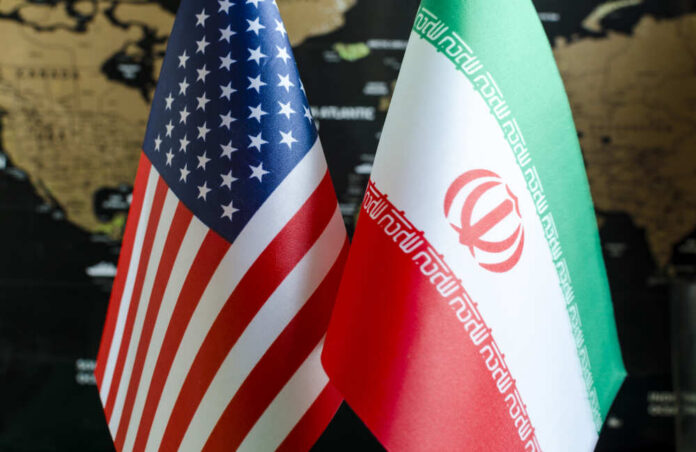
The Iran nuclear talks are selling “progress” while both sides quietly guard demands that don’t meet in the middle.
Story Snapshot
- February 2026 negotiations, including talks in Geneva, produced upbeat mediation chatter but no convergence on the core issue: enrichment.
- Washington’s stated end state centers on permanent zero enrichment and broader limits; Tehran counters with temporary pauses, verification, and stockpile steps paired with sanctions relief.
- Oman’s mediating role creates momentum headlines, yet the structure of the dispute keeps generating the same stalemate in new packaging.
- Military buildup and sanctions pressure add urgency, but urgency can harden positions instead of softening them.
Why “Substantial Progress” Can Still Mean the Same Old Dead End
February 2026 brought another familiar rhythm: diplomats met, mediators spoke optimistically, and both capitals briefed their preferred storyline. Oman played the helpful middleman, but the negotiations still revolved around a single immovable object: Iran’s insistence that it retains a right to enrich uranium, and the Trump administration’s demand that Iran dismantle that capacity for good. When that gap stays open, the rest becomes choreography.
Iran’s negotiating posture, as described in reporting and analysis, leaned on a “pause and prove” concept—time-bound limits, intrusive verification, and steps to reduce stockpiles—while rejecting the idea that enrichment must end permanently. That approach aims to preserve national pride and leverage while easing economic pain through sanctions relief. The United States, by contrast, treated any continuing enrichment as the seed of a future breakout, making permanence the point, not a bargaining chip.
The Core Mismatch: Permanent Dismantlement vs. Temporary Restraint
Diplomacy fails most often when it confuses a technical argument with a political identity. For Tehran, enrichment signals sovereignty and resistance after years of sanctions and pressure. For Washington, enrichment signals risk because capability can outlast paper promises, especially after the post-2018 cycle of withdrawal, acceleration, and distrust. A temporary suspension, even with robust monitoring, reads in Iran as a concession; in the U.S. it can read as a delay tactic.
That mismatch also explains why “creative” options keep surfacing and fading. Proposals reportedly floated about limited or “token” enrichment for medical or civilian purposes, or a staged arrangement that shelves the nuclear file first and defers missiles and proxies. Each idea collapses under the same weight: Iran fears a slippery slope into surrender, and U.S. negotiators fear a slippery slope into normalization of enrichment. When both sides fear the slope, the safest move becomes standing still.
Mediation’s Real Limit: It Can Carry Messages, Not Change Red Lines
Mediators like Oman can reduce misunderstandings, sequence offers, and keep talks alive when politics turns toxic. Mediation can’t manufacture trust where both leadership circles treat trust as a trap. If Iran believes Washington will pocket concessions and keep pressure, it demands front-loaded relief. If Washington believes Iran will bank relief and rebuild capabilities, it demands front-loaded dismantlement. The mediator can deliver the message faster; it can’t make the message more palatable.
That’s why “momentum” often becomes a mirage. Mediation produces process: new meetings, new venues, new phrases like “framework” and “substantial progress.” Process matters, but only when it tracks toward an exchange both leaders can defend at home. Here, the leaders face the opposite incentives. Tehran’s system punishes perceived capitulation. Washington’s system punishes deals that look reversible or weak on enforcement. A deal that satisfies one side’s politics can detonate the other’s.
Pressure, Deterrence, and the Conservative Common-Sense Test
American conservatives tend to prefer agreements that are enforceable, verifiable, and backed by leverage, not goodwill. That instinct fits the history of this file: promises and sunsets mean less than physical constraints and inspection access. At the same time, common sense also warns against negotiating goals that no adversary will accept unless defeated in war. If the United States demands total, permanent dismantlement while Iran treats enrichment as nonnegotiable, talks can become a stage, not a solution.
The strongest fact pattern in the available research points to a widening credibility problem: both sides claim they can accept a deal, but each defines “deal” as the other side’s retreat. That’s not just stubbornness; it reflects how power works. Sanctions and military posture can squeeze, yet they can also reinforce Iran’s argument that it needs deterrence and technological depth. Pressure can produce results, but only if it’s paired with an achievable end state.
What Happens If the Mirage Breaks: Escalation Risks and Oil-Shock Reality
Failure doesn’t stay contained to conference rooms. A stalled track increases the odds of strikes, counterstrikes, and proxy activity, even if leaders say they prefer diplomacy. Iran’s stockpile and enrichment levels remain the frightening timer in the background, because capability shrinks decision time in a crisis. For the U.S. and Israel, that reality keeps the military option alive. For the region, it raises the risk of shipping disruption and oil price spikes that punish ordinary families first.
Readers over 40 remember a hard lesson from past arms-control fights: verification isn’t a slogan; it’s engineering plus political will. A deal that pauses activity without permanently changing capability can calm headlines while preserving the underlying contest. A deal that demands complete dismantlement without a credible path to acceptance can collapse and accelerate escalation. The “mediation mirage” isn’t that diplomacy is useless; it’s that diplomacy marketed as progress becomes dangerous when it delays hard choices.
Sources:
Tehran downbeat after Geneva talks, pins hopes on Oman …
Russia says Ukraine peace talks in Geneva were difficult …
‘Difficult But Businesslike’: Ukraine Peace Talks in …