Texas just approved a law that lets any private citizen sue out-of-state companies—potentially for $100,000 or more—for simply mailing abortion pills into the state, plunging America deeper into a battle over how far states can reach in the war on reproductive rights.
Story Highlights
- Texas SB 6 revives a private-enforcement model with at least $100,000 penalties per violation.
- The bill would grant parents, including fathers, standing for wrongful-death suits tied to abortion pills.
- The Texas Attorney General would be empowered to sue out-of-state actors despite “shield law” defenses.
- The bill targets manufacturers, prescribers, mailers, and facilitators across state lines.
Texas Legislature Declares Open Season on Abortion Pills
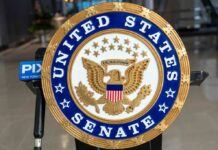
On August 12, 2025, the Texas Senate passed Senate Bill 6, a measure designed to ban the manufacturing, distribution, mailing, and prescribing of abortion-inducing drugs within state lines. The bill also empowers any Texas resident to file a lawsuit against anyone who provides these drugs, regardless of where they are based. The stakes are steep: successful plaintiffs stand to gain damages starting at $100,000 per violation.
Senate Bill 6 uses a legal strategy with a proven track record. By leveraging the civil enforcement model first seen in the 2021 “Heartbeat Bill,” Texas lawmakers reduce reliance on state prosecutors and courts, shifting power to private citizens. This decentralized approach makes it harder for opponents to challenge the law in court, as there is no single state official to sue. Instead, potential defendants—drug manufacturers, telemedicine providers, and out-of-state pharmacies—must now weigh the risk of being dragged into costly litigation by any Texan with a grievance.
Senate Bill 6, which aims to “protect unborn children,” passed the Texas Senate on Tuesday. https://t.co/BN3xJUmkGV
— KLBK News (@KLBKNews) August 13, 2025
Historical Context: Texas’s Relentless Pursuit of Abortion Restrictions
Texas has spent years hardening its stance against abortion. The 2021 “Heartbeat Bill” allowed citizens to sue anyone assisting in abortions after six weeks, and the state criminalized most abortions after Roe v. Wade was overturned in 2022. As surgical abortion options dwindled, medication abortion—typically via mifepristone and misoprostol—became the primary method for early-term procedures. Lawmakers responded with fresh restrictions, including bans on mailing abortion pills and tighter prescribing windows.
This latest legislation marks a significant escalation. By extending civil liability to manufacturers and distributors, SB 6 tries to reach past Texas’s borders, targeting the growing network of telemedicine and mail-order pharmacies that have filled gaps left by clinics. The bill’s supporters, led by Senator Bryan Hughes, argue that it closes loopholes and stops companies from profiting off what they call illegal activity, even in states with protective shield laws.
Who Holds Power, Who Faces Risk?
Senator Bryan Hughes, a main architect of Texas’s abortion restrictions, drove the bill through the Senate. With a Republican majority, Texas lawmakers have the muscle to set the agenda and move swiftly. The bill now heads to the House, where its passage seems likely. By giving every resident legal standing to sue, the state supercharges enforcement—turning ordinary Texans into de facto regulators.
Pharmaceutical companies, healthcare providers, and telemedicine platforms face an uncertain future. Even remote actors, far beyond Texas, could end up embroiled in legal battles if they ship abortion pills into the state. Advocacy organizations like the ACLU of Texas warn of dire consequences for reproductive health and predict a chilling effect on standard medical practice. Meanwhile, anti-abortion groups hail the bill as a model for other states to adopt.
Sources:
Texas Senate official news release