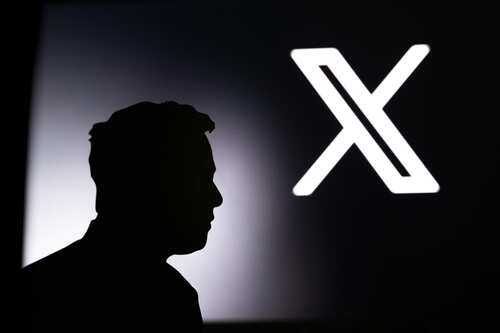
Elon Musk’s takeover of Twitter marked a monumental shift in social media, sparking debates over free speech and corporate influence.
Story Snapshot
- Elon Musk acquired Twitter for $44 billion, transforming its structure and policies.
- The acquisition was framed as a battle over free speech and corporate governance.
- Musk’s leadership led to major workforce reductions and policy overhauls.
- Twitter rebranded to “X Corp” with a vision of becoming an “everything app.”
Elon Musk’s Acquisition of Twitter
In 2022, Elon Musk, the CEO of Tesla and SpaceX, executed the acquisition of Twitter, now known as X Corp, for approximately $44 billion. This move came after Musk accumulated significant shares and signaled a hostile takeover when he refused to join Twitter’s board. Musk’s offer of $54.20 per share was eventually accepted by Twitter’s board amid shareholder pressure and under the threat of a “poison pill” defense designed to block the acquisition.
Elon Musk:
Buys Twitter for $44 billion to save free speech and build a great platform he envisioned for over 2 decades.
Some upset X users:
Hey Elon, you know it would be great if you kept your politics to yourself and maybe not post as much.
Like we know you paid $44… pic.twitter.com/e4WKwdI6k4
— Dalton Brewer (@daltybrewer) February 8, 2024
The acquisition was framed by Musk as a battle for free speech, with him positioning himself as a “free speech absolutist.” This stance aimed to reform Twitter’s moderation practices, which had faced criticism for perceived bias and censorship. As a result, Musk fired top executives and drastically reduced the workforce from around 7,400 to 2,300 employees, intending to streamline operations and cut costs.
Impact of Musk’s Leadership
Under Musk’s leadership, Twitter underwent significant restructuring. The company was rebranded as “X Corp,” reflecting Musk’s vision to transform it into an “everything app.” This rebranding coincided with major layoffs and policy changes, including the reinstatement of previously banned accounts, which sparked both support and criticism. These changes have been part of Musk’s broader strategy to foster a platform that champions free speech while also aiming for increased transparency in its algorithms.
Despite the promise of innovation, the transition has not been without challenges. The rapid restructuring led to disruptions in company culture and uncertainty among users and advertisers. Additionally, the sweeping changes have attracted regulatory scrutiny, particularly in Europe, where concerns over content moderation and platform accountability have grown.
Long-term Implications and Industry Impact
In the long term, Musk’s acquisition of Twitter could significantly alter the landscape of social media. By pushing for a platform that supports free speech, Musk sets a precedent for how social media companies might approach moderation and corporate governance. However, the potential for increased polarization and the risk of unchecked hate speech remain contentious issues. Economically, the layoffs and shifts in revenue streams have introduced investor uncertainty, highlighting the challenges of balancing free speech with platform safety.
While some industry experts praise Musk’s vision for openness and innovation, others warn of the risks associated with concentrating too much power in the hands of a single individual. The acquisition has sparked a broader debate about the role of social media in society and its impact on public discourse, with implications that extend beyond Twitter itself to the tech industry as a whole.
Sources:
Timeline of Elon Musk’s Tumultuous Twitter Acquisition Attempt
Timeline of Events: Elon Musk and X (Formerly Twitter)
Acquisition of Twitter by Elon Musk
Twitter to X: The Complete Timeline of Elon Musk’s Twitter Purchase