
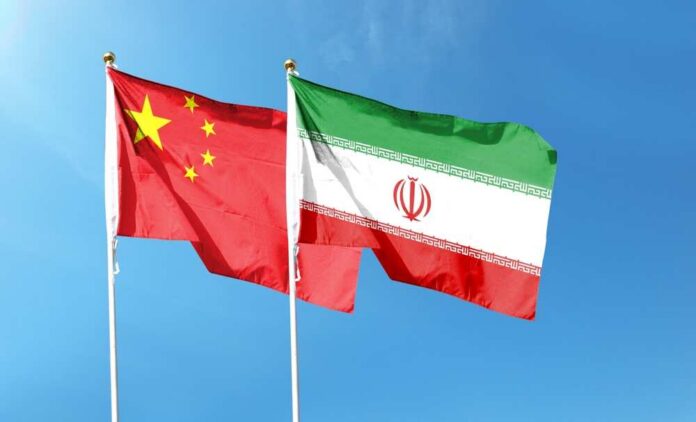
U.S. intelligence says Beijing may be preparing to put shoulder-fired missiles into Iran’s hands—an escalation that could turn a fragile ceasefire into a deadly trap for American aircraft.
Quick Take
- U.S. intelligence assesses China is preparing to ship man-portable air-defense systems (MANPADS) and related equipment to Iran within weeks, potentially routed through third countries.
- The alleged transfer comes during a delicate, recently established U.S.-Iran ceasefire after a five-week conflict, with talks continuing as tensions remain high.
- President Trump warned of steep economic retaliation, including a 50% tariff threat tied to any country supplying arms to Iran, while also expressing doubt China will follow through.
- China has publicly denied the allegations, calling the reports “baseless sensationalism,” leaving the public with competing claims and limited independently verifiable proof.
What U.S. intelligence says is being prepared—and why MANPADS matter
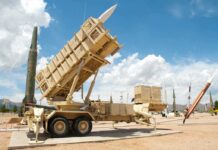
U.S. intelligence reporting cited by major outlets indicates China is preparing to supply Iran with portable air-defense systems, commonly described as shoulder-fired anti-aircraft missiles, along with other air-defense equipment. The concern is not abstract: MANPADS are designed to threaten low-flying aircraft and helicopters, the kind often used for close air support, surveillance, and rapid response. Reports say any shipment could be routed through third countries to obscure its origin.
Public reporting describes systems such as China’s FN-6 class of weapons, which are small enough for infantry to carry and deploy but can still impose meaningful operational constraints. In practical terms, even the possibility of these weapons entering a theater can force changes in flight profiles, increase standoff distances, and raise risk to pilots and ground forces relying on air coverage. That reality helps explain why U.S. officials would treat preparations—even short of confirmed delivery—as strategically significant.
A ceasefire under strain after a five-week war
The timing is central to the story. The intelligence warnings surfaced shortly after a five-week U.S.-Iran war ended in a fragile ceasefire that has been described as roughly two weeks old, with negotiations continuing. Any new air-defense capability for Iran could harden positions and reduce incentives to compromise, especially if either side believes the other is using the pause to rearm. For American planners, the worst-case risk is a ceasefire that becomes a brief intermission rather than a durable off-ramp.
Reports also underline a basic verification problem: the public has not been shown independent visual confirmation of actual shipments, and the distinction between “planning,” “preparing,” and “sending” matters. That gap leaves room for denial, misdirection, and domestic political spin on all sides. Still, intelligence assessments typically drive contingency planning, and Washington’s response posture suggests the administration is treating the risk as credible enough to deter, even if not yet proven beyond dispute in open sources.
Trump’s tariff threat: using economic leverage to deter military escalation
President Trump’s stated approach couples national-security deterrence with economic consequences. After the ceasefire, he announced a 50% tariff threat aimed at countries supplying arms to Iran, a message clearly relevant to Beijing if the intelligence claims prove true. At the same time, he signaled skepticism that China would actually proceed. That mix—warning paired with doubt—can be read as an attempt to keep leverage while leaving diplomatic space for China to back off without public humiliation.
For U.S. voters already frustrated by years of global entanglements, the tariff angle connects to a broader question: should America rely more on economic tools than on open-ended military escalation? Tariffs, unlike troop deployments, are visible, reversible, and debated in Congress and public markets. They also carry costs, including higher prices and retaliation risks. The administration’s bet appears to be that China’s export exposure makes economic pressure a credible deterrent against actions that could destabilize the ceasefire.
China’s denial and the broader pattern of U.S.-China-Iran friction
China’s embassy has denied providing weapons to Iran and rejected the reporting as smear-driven “baseless sensationalism.” That denial lands against a backdrop of deeper China-Iran ties, including oil trade and broader strategic cooperation. Other reporting has pointed to Chinese firms supplying dual-use materials such as rocket-fuel components, a separate but related concern when assessing Iran’s ability to rebuild capabilities. Since the U.N. arms embargo on Iran ended in 2020, more transfers can occur legally, while still triggering U.S. sanctions pressure.
Report: China Supplying Iran with Anti-Aircraft Weapons to Aid in Fight Against US https://t.co/W0A6U9JaKI #gatewaypundit via @gatewaypundit
— Mactlman (@Mike1332Mike) April 14, 2026
What remains unclear in open reporting is the operational reality: whether any missiles are already en route, which third countries might be used as intermediaries, and how quickly such systems could be integrated. Those unknowns matter because they determine whether this is a near-term tactical threat or a longer-term strategic pressure point. For Americans on right and left who believe “the system” routinely fails them, the episode also highlights how often citizens must weigh high-stakes decisions based on opaque intelligence claims and official denials.
Sources:
China plans to ship air defense systems to Iran, US intelligence indicates
US intelligence assessment says China may have sent Iran missiles
China to send weapons shipment to Iran amid ceasefire with US: Report