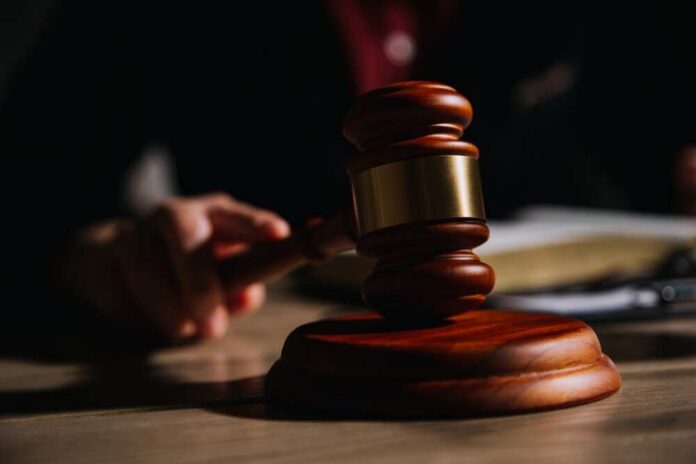
Judge allows cameras in the trial of Charlie Kirk’s accused killer, prioritizing public transparency over defense fears of jury bias in this high-stakes conservative icon’s murder case.
Story Highlights
- Utah Judge Tony Graf denies defense motion to ban cameras, approving filming and livestreaming for Tyler Robinson’s preliminary hearing starting July 6, 2026.
- Charlie Kirk, Turning Point USA founder, allegedly assassinated on September 10, 2025, at Utah Valley University; Robinson faces death penalty on strong evidence including DNA, video, and confession note.
- Prosecutors and Kirk’s widow push for open access to counter rampant conspiracy theories and build public trust.
- Prior media violations led to camera relocation, but access upheld under Utah court rules balancing fair trial rights.
Case Background and Alleged Assassination
Tyler Robinson faces aggravated murder charges for the September 10, 2025, shooting death of conservative activist Charlie Kirk at Utah Valley University in Provo, Utah. Prosecutors present DNA evidence, surveillance footage, and a handwritten confession note Robinson left for a romantic partner. The case draws national attention in conservative Utah due to Kirk’s prominence as Turning Point USA founder. Defense attorneys argue media exposure risks prejudicing jurors in this death penalty-eligible proceeding.
Judge Graf’s Ruling on Media Access
On Friday, early May 2026, Fourth District Judge Tony Graf ruled that news outlets can film, photograph, and livestream proceedings, denying the defense’s ban motion. Graf stated electronic media coverage lacks constitutional protection but faces no ban solely due to prejudice risks. Cameras already repositioned to the courtroom rear after media violations showing shackles and close-ups. Preliminary hearing delayed to July 6-10, 2026, to address remaining motions like partial closures.
Stakeholder Positions and Courtroom Dynamics
Utah prosecutors support cameras to ensure public trust amid conspiracy theories swirling online since Kirk’s death. Erika Kirk, the victim’s widow, advocates access as a victim’s representative. Defense presented expert witnesses at the April 17 hearing warning of jury bias similar to high-profile cases like O.J. Simpson. Judge Graf mediates, enforcing tightened rules while upholding Utah Rule 4-202 allowing media absent proven harm. Media pool, including Fox and KSL, gains continued entry.
Implications for Justice and Public Trust
This ruling sets precedent for cameras in Utah capital cases involving political figures, promoting transparency over total secrecy. Short-term, intense coverage may challenge jury selection in conservative Provo but counters misinformation. Long-term, it influences national debates contrasting state openness with U.S. Supreme Court camera bans. Both sides acknowledge government failures in delivering swift justice; open proceedings reaffirm founding principles of accountable courts serving the people, not elites shielding trials from scrutiny.
Cameras allowed at accused Charlie Kirk killer Tyler Robinson’s murder trial Kirk’s widow Erika, who is a victim representative in the case, has pushed for maximum press access – as have lawyers representing the media. https://t.co/syRWLOVDFd pic.twitter.com/tQw8b82qLA
— UnfilteredAmerica (@NahBabyNahNah) May 8, 2026
Evidence Strength and Path Forward
Prosecutors express confidence in overwhelming evidence for probable cause at the upcoming preliminary hearing. Uniform reporting across outlets confirms case facts with no retractions. While defense raises valid 6th Amendment concerns, Graf’s balanced approach prioritizes public right to observe proceedings in a democracy. Conservatives view this as victory against deep state opacity, ensuring accountability for Kirk’s alleged assassin while testing fair trial safeguards.
Sources:
Charlie Kirk murder: Judge rules cameras allowed in courtroom for Tyler Robinson trial
Rulings on cameras, preliminary hearing expected today in Tyler Robinson murder case
Judge allows cameras in court for Tyler Robinson murder trial
Judge allows cameras in Tyler Robinson trial
Judge to rule Friday whether Charlie Kirk murder case can be filmed, photographed