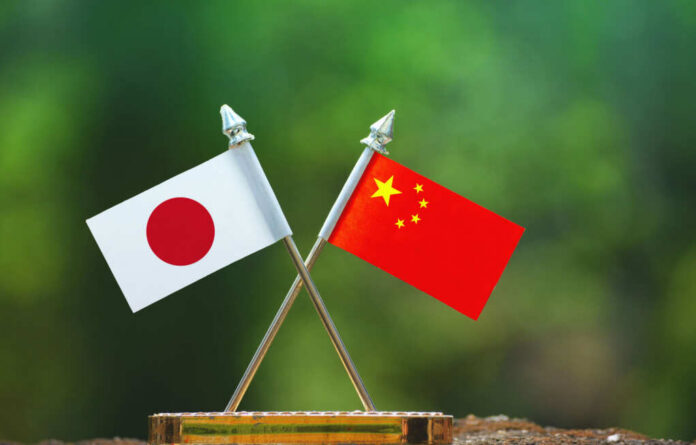
Japan has officially downgraded China from a top diplomatic partner to merely “an important neighboring country” in response to Beijing’s campaign of economic coercion and military intimidation that has pushed tensions between the two Asian powers to historic lows.
Story Snapshot
- Japan’s 2026 Diplomatic Bluebook downgrades China from “one of the most important bilateral relationships” to “an important neighboring country”
- The diplomatic demotion follows China’s aggressive retaliation against Prime Minister Sanae Takaichi’s November 2025 statement on Taiwan defense
- Beijing imposed rare earth export controls targeting Japan, issued military threats, and restricted trade after Takaichi invoked collective self-defense laws
- A Chinese diplomat threatened to “cut that dirty neck” of Japan’s prime minister on social media, escalating tensions
- Japan’s shift signals determination to resist Chinese intimidation despite economic leverage and military provocations
Japan Takes Diplomatic Stand Against Beijing’s Coercion
Japan’s Foreign Ministry drafted language for the 2026 Diplomatic Bluebook that explicitly downgrades China’s status in bilateral relations, marking a significant departure from decades of cautious diplomacy. The annual policy document, expected to receive cabinet approval in April 2026, describes China’s recent actions as “one-sided criticism and coercive measures.” This public rebuke represents Tokyo’s clearest signal yet that it will not be bullied into silence on Taiwan or other security matters vital to Japanese national interests, even as China remains Japan’s largest trading partner.
China’s Escalating Campaign of Retaliation
The crisis erupted in November 2025 when Prime Minister Takaichi stated in parliament that a Chinese attack on Taiwan could constitute an “existential crisis” for Japan, justifying military action under the nation’s 2015 collective self-defense laws. Beijing’s response was swift and multifaceted. Chinese Consul General in Osaka Xue Jian posted a menacing message on social media threatening violence against Takaichi. China then mobilized economic weapons, imposing export controls on rare earth elements that comprise approximately 60 percent of Japan’s supply, while also restricting seafood imports and issuing travel advisories against Japan.
Military Provocations Accompany Economic Warfare
Beyond economic pressure, China escalated military intimidation tactics in the East China Sea. Chinese fighter jets targeted Japanese Self-Defense Forces aircraft with fire-control radar, a hostile act that simulates weapons engagement. Beijing mobilized fishing vessels in disputed waters and intensified incursions around the Senkaku Islands, which China claims as the Diaoyu Islands. These provocations demonstrate China’s willingness to use both hard and soft power simultaneously to punish nations that challenge its regional ambitions or support Taiwan’s defense, raising concerns about miscalculation and unintended military confrontation.
Strategic Implications for Regional Security
Japan’s diplomatic downgrade reflects a broader shift in Tokyo’s security posture under the conservative Takaichi government. Unlike previous Japanese leaders who maintained strategic ambiguity on Taiwan, Takaichi has openly acknowledged the island’s importance to Japanese security due to proximity and critical supply chain dependencies. The move aligns with Japan’s deepening Quad alliance with the United States, Australia, and India, and signals determination to accelerate supply chain diversification away from Chinese rare earth monopolies. Analysts note this crisis could accelerate “friendshoring” initiatives that relocate critical manufacturing to allied nations, fundamentally reshaping regional economic integration.
Competing Narratives Reveal Deeper Tensions
Chinese state media and Foreign Ministry spokesperson Lin Jian blame Japan’s “right-wing shift” and “erroneous remarks” for deteriorating relations, characterizing Takaichi’s Taiwan comments as crossing a “red line.” Beijing accuses Tokyo of blame-shifting to distract from domestic economic challenges. Meanwhile, Japanese officials emphasize they are simply responding to documented Chinese coercion and military threats. This clash of narratives underscores a fundamental disagreement about regional order—whether nations should accept Chinese hegemony or resist through alliances and collective defense arrangements backed by American military power.
Historical Patterns and Future Outlook
The current crisis echoes China’s 2010 rare earth embargo following a maritime collision near the Senkaku Islands, demonstrating Beijing’s repeated use of economic coercion as a foreign policy tool. However, the 2026 confrontation appears more severe, combining economic, diplomatic, and military pressure simultaneously. With relations described by experts as at an “all-time low,” the trajectory suggests continued deterioration unless one side backs down. Japan shows no indication of reversing course, while China’s domestic political pressures make compromise difficult. The standoff illustrates the growing regional divide between authoritarian and democratic powers, with both sides calculating that showing weakness now invites greater aggression later.
Sources:
Japan to Downgrade China to ‘Important Neighbor’ in Diplomatic Bluebook
Japan’s Bluebook Draft Signals Further Downward Spiral in Bilateral Ties
Tokyo Moves to Downgrade Status of China Ties as Beijing Moves to Blame Japanese PM
2025–2026 China–Japan Diplomatic Crisis
Japan to Lower Assessment of China in Diplomatic Bluebook