

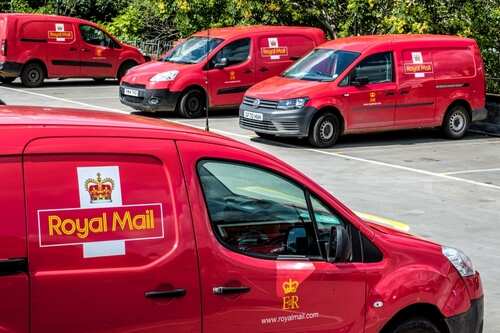
A government-backed postal monopoly in the UK delivered abysmal service to 16 million citizens during Christmas 2025 while doubling stamp prices and facing zero real consequences—a cautionary tale of what happens when regulators enable failure instead of demanding accountability.
Story Snapshot
- Royal Mail failed 16 million UK adults during Christmas 2025—a 50% surge from 2024—despite stamp prices doubling since 2020
- Citizens missed critical health appointments, benefit notices, and legal documents while the monopoly provider faced toothless £37 million in fines
- Regulators responded to catastrophic failure by cutting delivery obligations rather than demanding improved service, rewarding incompetence with reduced standards
- Vulnerable populations dependent on postal service face escalating anxiety as monopoly power meets government-enabled decline in accountability
Monopoly Failure Hits Record Levels
Citizens Advice revealed on January 27, 2026, that 29% of UK adults—approximately 16 million people—experienced Royal Mail delivery delays during Christmas 2025. This represents a staggering 50% increase from December 2024, when 10.7 million people faced similar problems. The delays affected letters and cards containing vital information about health appointments, bills, benefit decisions, and legal documents. Almost a quarter of those experiencing delays reported feeling anxious or distressed about missing critical financial and medical information, highlighting how government-backed monopolies create captive consumers with no alternative providers.
📮 Royal Mail delays hit millions over Christmas
Citizens Advice says 16 million people faced late post – with some missing vital letters.
🔗 Read more on https://t.co/uJfTPY9O0j pic.twitter.com/HCC3CZSYA9
— Radio News Hub (@radionewshub) January 28, 2026
Paying More for Getting Less
Royal Mail has systematically failed to meet delivery targets since 2017 for first-class mail and since 2020 for second-class mail, even as stamp prices more than doubled from £0.85 to £1.70. This pattern mirrors the dysfunction seen when government protection shields providers from market consequences. The company accumulated £37 million in regulatory fines from Ofcom for poor performance, yet service quality continued deteriorating. Citizens Advice found 36% of Royal Mail users sent fewer Christmas cards in 2025 because stamps became too expensive, demonstrating how monopoly pricing combined with declining service drives consumers away from essential communication channels.
Regulatory Capture Enables Decline
Ofcom’s response to catastrophic service failure reveals the perverse incentives plaguing government-overseen industries. Instead of demanding improved performance as a condition for continued monopoly status, regulators announced in July 2025 they would reduce Royal Mail’s Universal Service Obligation. Second-class delivery will drop from six days weekly to alternate weekdays, with lower delivery targets overall. Ofcom claims this makes the service more sustainable, but this logic rewards failure with reduced expectations—a pattern conservatives recognize from other government-protected sectors. Royal Mail maintains monopoly power while delivering worse service at higher prices, insulated from the competitive pressures that would force private companies to improve or face bankruptcy.
Vulnerable Citizens Bear the Cost
The human toll extends beyond inconvenience. Citizens Advice documented that 5.7 million people missed vital letters during the Christmas period, with serious consequences for health care access, financial obligations, and legal matters. Thirty-four percent of users reported receiving no mail for one to three weeks, then suddenly receiving bunches of five or more letters simultaneously. Geographic disparities emerged, with the South East, South West, North West, East Midlands, and East of England experiencing the highest delay rates. Elderly populations and those without digital access face particular vulnerability, dependent on postal communication while regulators prioritize “sustainability” over service quality.
Empty Promises Replace Accountability
Royal Mail defended its performance by claiming independent data shows more than 99% of items posted by recommended dates arrived on time for Christmas. This statistic conveniently excludes the broader December delays affecting millions of consumers throughout the holiday period. Anne Pardoe of Citizens Advice warned there is no light at the end of the tunnel for consumers struggling with persistent delivery failures, noting that cuts to delivery days loom while Ofcom must crack down harder on missed targets before deterioration accelerates. The regulatory framework exemplifies how government oversight often substitutes performance theater for genuine accountability, leaving citizens trapped between monopoly power and ineffective enforcement.
Sources:
29% of UK adults hit by Royal Mail delays over Christmas, warns Citizens Advice – ITV News
Almost 11 million people faced Christmas letter delays – Citizens Advice