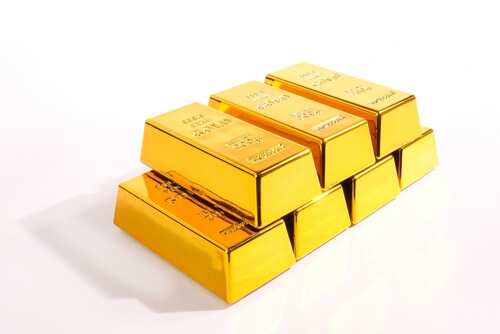
Gold’s historic surge past $4,000 an ounce exposes the deep instability left by years of reckless spending, globalist policies, and eroded American confidence—raising urgent questions about the future of our economy and freedoms.
Story Snapshot
- Gold hits $4,000/oz for the first time, signaling unprecedented financial anxiety and distrust in fiat currencies.
- Persistent inflation, ongoing geopolitical tensions, and central bank gold buying fuel the surge and rattle markets.
- Ordinary Americans face higher costs and uncertainty as traditional assets plunge and gold becomes a last refuge.
- Experts warn of long-term risks to economic stability, dollar dominance, and American prosperity unless policies change.
Record-Breaking Gold Price Reveals Systemic Weakness
On October 7, 2025, gold shattered all previous records by closing above $4,000 per ounce—a spike that sent shockwaves through global markets. This historic high comes after years of steady increases driven by inflation, currency devaluation, and rising geopolitical threats. For many Americans, this signals a growing mistrust in the stability of fiat currencies and reflects the consequences of policies that undermined fiscal discipline and national security. Gold’s surge underscores how deeply the nation’s economic foundation has been shaken, forcing investors and ordinary citizens alike to seek safety in tangible assets.
Financial market volatility has soared alongside gold’s price. Stock and bond markets have suffered sharp corrections as investors flee to perceived safe-haven assets. The U.S. dollar index has weakened, with emerging market currencies under severe pressure. Physical gold shortages are reported in some regions, while mining stocks rally despite supply constraints and increased regulatory burdens. The World Gold Council and major banks like Goldman Sachs and JPMorgan have adjusted price targets upward, citing “unprecedented demand” and global anxiety. Central banks, especially in emerging markets, are accelerating gold purchases to hedge against dollar risk and currency instability.
Inflation and Policy Failures Drive Investor Anxiety
Persistent inflation from 2021 through 2025 has eroded purchasing power for everyday Americans, with prices rising for essentials like food, energy, and housing. Years of expansive fiscal policies, unchecked government spending, and supply chain disruptions have fueled inflationary pressures. Geopolitical crises in Eastern Europe, the Middle East, and Asia have only heightened uncertainty. Central banks’ aggressive gold buying is a direct response to fears that traditional economic levers, once relied on for stability, can no longer guarantee security or growth. For many, the gold rally is a referendum on failed globalist and progressive economic agendas that prioritized ideology over American prosperity and stability.
The repercussions are clear at every level. Investors are rebalancing portfolios, often absorbing losses in other asset classes. Consumers face higher costs, particularly in jewelry and electronics, as gold’s price filters through the supply chain. Emerging markets endure currency instability and capital flight, while U.S. mining communities see both opportunity and risk from surging demand and environmental scrutiny. The banking sector feels the squeeze as gold-linked liabilities add stress, and technology manufacturers grapple with rising input costs. For families and retirees, the erosion of savings and the threat of recession highlight the real-world impact of misguided policies and financial mismanagement.
Expert Perspectives: Loss of Confidence, Call for Change
Leading analysts agree that gold’s meteoric rise reflects a profound loss of confidence in fiat currencies, global institutions, and the ability of governments to manage crises. Jeffrey Currie of Goldman Sachs points to a “structural shift” as central banks lead the move into gold. John Hathaway of Sprott Asset Management notes that unprecedented physical demand is outstripping supply. Academic voices, including Professor Nouriel Roubini, argue this is a “classic flight to safety” triggered by systemic risk and policy failure. While some optimists see gold’s ascent as rational risk management, skeptics warn of speculative excess and caution that a reversal could occur if stability returns. However, most experts acknowledge that the underlying drivers—persistent inflation, monetary uncertainty, and geopolitical turmoil—are unlikely to abate without a dramatic change in direction.
Gold crossed $4,000 today. This kind of rapid spike has only happened a few times in history — and it’s never ended well.
The pattern goes back centuries:
• Rome’s Crisis (235-284 AD) → Empire collapse
• Spanish Empire decline (1600s) → Lost world power status
• French… pic.twitter.com/1zmna1N1PV— Andrew Lokenauth | TheFinanceNewsletter.com (@FluentInFinance) October 7, 2025
The long-term implications are sobering. There is growing concern about the U.S. dollar’s continued dominance, as central banks diversify reserves and investors lose faith in paper promises. Policy shifts prioritizing sound money, reduced spending, and renewed American strength are urgently needed to restore confidence. Without decisive action, the era of runaway gold prices may be just the beginning of broader economic and constitutional challenges facing our nation.
Sources:
Gold tops $4K for first time as investors flee inflation, global turmoil
Wall Street edges back from its records after gold tops $4,000 per ounce