
Six of the seven G7 leaders skipped the COP31 high-level summit, leaving campaigners and vulnerable nations questioning rich countries’ commitment to climate goals.
Story Snapshot
- Six of seven G7 leaders were absent from COP31’s high-level segment in Antalya.
- President Trump and China’s leader did not attend; Vice President Han represented China.
- Campaigners said skipping the summit weakens influence over the energy transition.
- Negotiations continued with ministers and officials, but symbolism took a hit.
Who Showed Up, Who Did Not
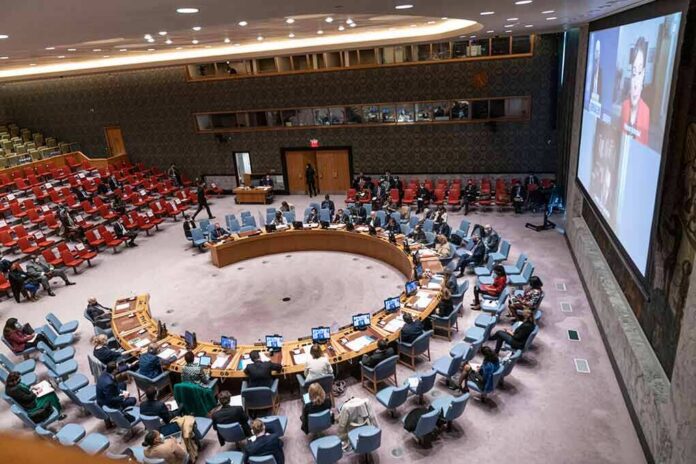
Reporters on the ground in Türkiye said six of the seven G7 leaders did not attend the COP31 leaders’ segment, with only Britain’s prime minister slated to speak. The Associated Press added that the leaders of the United States, China, and India also stayed away, even though their countries produce a large share of global emissions. China sent its vice president instead of its president, keeping a senior figure in the room despite the top leader’s absence.
European Union participation was visible through the European Commission president, even as several European national leaders skipped the trip. Organizers and press noted attendance by leaders from Türkiye and Brazil, among others, showing that the stage was not empty, but the missing “big names” from wealthy nations shaped the narrative. This contrast fueled questions about whether the richest democracies still want to lead on climate finance and energy policy.
Why Absence Matters to Many
Campaigners argued that leaders send a message by showing up. Power Shift Africa’s director said the largest economies should lead the response, not leave it to others. A major network of climate groups said top leaders lose sway over the energy transition if they skip the summit. Some vulnerable countries reacted poorly, reading the no-shows as backtracking by richer nations. Activists even handed out a mock “Fossil of the Day” to highlight the absences.
These reactions tie to a broader pattern. Big global meetings have become both a place to negotiate and a stage to prove commitment. Scholars note that attendance signals relevance, yet real work also happens through mandates and technical talks. That tension helps explain why civil groups push for visible leadership, while diplomats insist the details still move forward in committee rooms and side meetings.
What Still Happened Without Them
Experts and outlets stressed that talks do not stop when leaders stay home. Governments still sent ministers, ambassadors, and technical teams to bargain over texts and funding. Commentators said outcomes depend on what countries agree to deliver, not only on who stands at the podium. This view helps explain why European and Asian delegations pressed on with work programs, finance discussions, and energy language even without several heads of government present.
The United Nations climate site and event program showed a full week of sessions, briefings, and draft decisions moving ahead in Antalya. Still, the absence of President Trump and other G7 leaders added political risk. It made it harder to claim a united front from advanced economies at the very moment many nations face higher energy costs, war-related shocks, and rising power demand from artificial intelligence data centers. That gap in symbolism may carry weight beyond the meeting hall.
What This Means for Americans Watching at Home
For many readers, this episode taps a shared worry: that top officials, whether conservative or liberal, often treat major problems as public-relations events. Voters who blame high costs and slow growth on elite mismanagement see more proof when leaders skip a summit where money and energy policy are at stake. Others who fear waste and empty pledges see the same skip as avoiding grandstanding. Both camps ask the same question: will any of this make life better here?
The honest answer is mixed. Leader absence sent a political signal that activists and poorer nations did not like. Yet negotiators kept working, and some progress can still happen through written deals and follow-up plans. The real test comes later, when budgets, laws, and energy projects either change on the ground or stall. Until then, this clash is a reminder to measure politics not by speeches or selfies, but by results that families can feel.
Sources:
youtube.com, reuters.com, unfccc.int, apnews.com, kuwaittimes.com, eualive.net, uk.news.yahoo.com, independent.ie