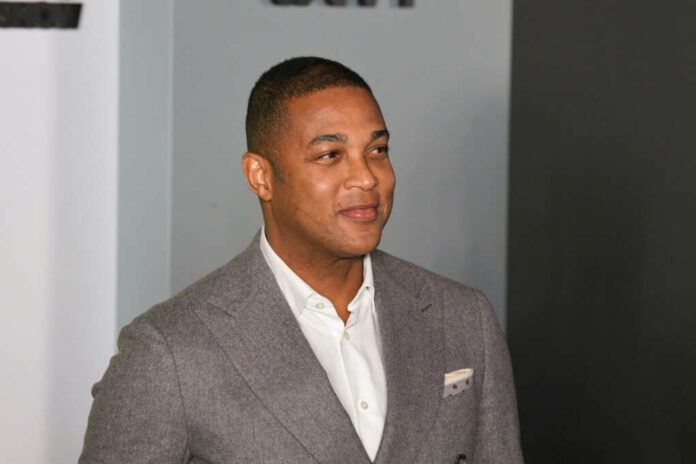
Don Lemon’s claim that he could “fix” America quickly if he were president is the kind of elite arrogance that fuels distrust in the media—and it’s landing as Washington stumbles from one crisis to the next.
Story Snapshot
- Don Lemon told “Pod Save America” he could become president and fix most of America’s problems “in no time flat,” arguing he could run the country better than President Trump.
- The remarks went viral April 1, with Lemon later telling Fox News he stood by the sentiment while also saying he has no active presidential plans.
- The moment revived scrutiny of Lemon’s post-CNN reinvention as an “independent” media figure while facing federal charges tied to an ICE-related church protest.
- The episode highlights a wider credibility gap: voters frustrated by inflation, illegal immigration, and endless foreign entanglements are increasingly skeptical of media personalities offering simple fixes.
Viral clip puts Lemon’s presidential talk on the national stage
Don Lemon, the former CNN host turned independent commentator, drew fresh attention after telling the “Pod Save America” podcast that he could be president and fix the bulk of America’s problems quickly. Reports describe Lemon saying he could run the country “in lickety-split in no time flat” and do the job better than President Donald Trump and most others. The clip spread rapidly online April 1, turning a podcast aside into a political headline.
Fox News reported that Lemon later responded directly and did not walk the comment back, while also describing barriers to a run. He indicated he does not currently have presidential aspirations and suggested he would need some kind of “sign” to pursue it. That distinction matters: there is no campaign announcement, no filing, and no formal platform—just a provocative claim that plays well in viral media cycles.
“Pod Save America” framing underscores a familiar partisan ecosystem
“Pod Save America,” hosted by former Obama administration staffers, provided the setting for Lemon’s remarks and the broader critique of Trump and MAGA politics. Lemon compared his hypothetical rise to Barack Obama’s trajectory, acknowledging the idea might sound “crazy” while insisting he could handle the job. The exchange was less a policy discussion than a personality-driven argument about competence, leadership, and who gets to speak with authority in national life.
Conservative coverage seized on that tone. Townhall’s write-up framed Lemon’s comments as an example of overconfidence from a left-leaning media figure treating complex problems as easy fixes. Fox’s account included Lemon’s fuller context and his follow-up response, which kept the focus on what was actually said and whether Lemon intended it as a serious political move. Taken together, the reporting shows a familiar split: one side emphasizing personality and hubris, the other emphasizing quotation and context.
Legal troubles complicate Lemon’s attempt to rebrand as an outsider
Lemon’s comments arrive while he remains tied to a separate controversy: federal charges linked to a January 2026 incident involving an ICE-related church protest in Minnesota. Coverage describes Lemon livestreaming events at the church and later facing charges including conspiracy to deprive religious freedom rights and a FACE Act-related violation. Lemon has portrayed the situation as press suppression under a Trump-led federal government, positioning himself as a critic of “state-run media.”
Those details matter because they shape how audiences evaluate Lemon’s self-presentation. On one hand, Lemon argues he is operating outside the legacy-media system after leaving CNN and building his own platforms. On the other, the existence of an active federal case means his rhetoric will be interpreted through a legal and political lens. The available reporting does not establish guilt or innocence, but it does confirm a live controversy attached to his public brand.
What this moment reveals about voter frustration in Trump’s second term
The reaction to Lemon’s “I could fix it fast” posture lands in a volatile political environment. Many conservative voters who backed Trump to end globalist policy, curb illegal immigration, and restrain federal overreach are also increasingly wary of open-ended foreign commitments and the high costs that follow—especially energy and inflation pressures that touch daily life. Against that backdrop, casual claims of easy answers can sound like the same top-down attitude voters rejected in past cycles.
At the same time, Lemon’s comments expose a real weakness in modern politics: governing is hard, tradeoffs are real, and slogans rarely survive contact with budgets, courts, and a divided Congress. Lemon has not offered a concrete plan in the reporting cited—only a claim of superior competence and a willingness to “fix” what he says Trump damaged. Until specifics exist, voters are left with a media personality’s confidence rather than a constitutional roadmap for limited government.
Sources:
Don Lemon Says If He Were President, He Could Fix the Bulk of America’s Problems in No Time
Don Lemon talks possibility of being president: ‘A lot better than Donald Trump’