A new policy threatens Second Amendment rights, sparking outrage among patriots.
Story Highlights
- Burkina Faso junta arrests eight workers from a Dutch-based NGO on espionage charges.
- The arrests mark an increase in authoritarian measures under military rule.
- International humanitarian operations face heightened risks and constraints.
- Criticism arises over the junta’s handling of national and international relations.
Escalation of Authoritarianism Under Military Rule
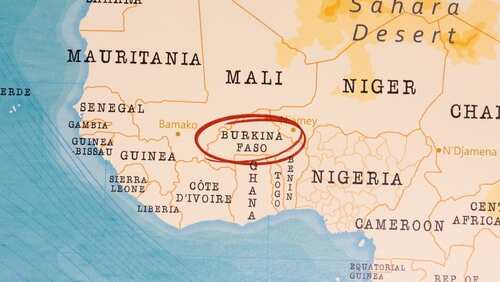
The recent arrests of eight humanitarian workers from the Netherlands-based International NGO Safety Organization (INSO) by Burkina Faso’s military junta highlight a troubling escalation in authoritarian governance. The detained individuals face serious accusations of espionage and treason for allegedly distributing sensitive military information to foreign powers, significantly raising the stakes for international NGOs operating within the country.
Critically, these actions reflect a broader pattern of increased repression under Captain Ibrahim Traore’s leadership since he assumed power in a 2022 coup. The junta’s crackdown on perceived threats and opposition voices compounds the deteriorating security situation in Burkina Faso, where jihadist violence has surged. This environment of fear and control is not only stifling democratic principles but also placing humanitarian workers in jeopardy.
Impact on International Humanitarian Operations
The precedent set by the charges against INSO workers threatens to have a chilling effect across the humanitarian sector in Burkina Faso. Organizations that rely on INSO’s security coordination services now face operational uncertainty and heightened risks. The criminalization of essential humanitarian activities under vague espionage laws could prompt a withdrawal of international NGOs, exacerbating the nation’s humanitarian crisis.
By framing humanitarian workers as spies, the junta attempts to legitimize its authoritarian measures as necessary for national sovereignty. However, this tactic detracts from addressing the root causes of insecurity, such as the ongoing jihadist insurgency and governance failures. The regime’s focus on eliminating perceived threats rather than improving security conditions undermines its own narrative of pursuing stability.
International Reactions and Long-Term Consequences
The arrests have strained Burkina Faso’s diplomatic relations with Western nations and international institutions. Targeting European NGO workers is likely to provoke diplomatic protests and may result in sanctions or aid restrictions. The situation also presents a challenge for regional entities like ECOWAS, which have criticized democratic backsliding in West Africa.
Burkina Faso arrests eight foreign NGO workers on charges of spying and treason.
The Burkina Faso's government says those detained — including citizens of France, Senegal, the Czech Republic, Mali, and Burkina Faso — were working for the Netherlands-based International NGO… pic.twitter.com/AyiuzY7a4F
— MintPress News (@MintPressNews) October 8, 2025
In the long term, the junta’s actions risk further destabilizing the country. By eliminating independent sources of information about security conditions, the regime creates an information vacuum that serves its short-term interests but undermines long-term stability. This approach not only jeopardizes humanitarian aid but may also inadvertently empower jihadist groups by showcasing governmental dysfunction.
Sources:
Burkina Faso Junta Humanitarian Worker Arrests – World Politics Review
Burkina Faso Junta Arrests NGO Workers – Stratfor