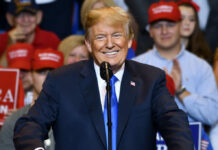
Team USA freestyle skier Hunter Hess sparked patriotic outrage after publicly expressing “mixed emotions” about representing America at the 2026 Winter Olympics, drawing a sharp rebuke from President Trump and igniting a firestorm over what constitutes appropriate conduct for athletes wearing the American flag on the world stage.
Story Snapshot
- First-time Olympian Hunter Hess and teammate Chris Lillis criticized U.S. immigration enforcement while representing America at the Milan Cortina Olympics
- President Trump called Hess a “real loser” on Truth Social, questioning why he tried out for Team USA if he couldn’t fully represent the country
- The athletes claimed they represent only “friends and family” rather than American government actions, distancing themselves from the nation they’re competing for
- U.S. Olympic Committee defended the athletes amid growing calls from Americans to send them home for anti-American rhetoric
Athletes Criticize America While Wearing the Flag
Hunter Hess and Chris Lillis made controversial statements to media before the 2026 Winter Olympics opening ceremony, expressing reservations about representing the United States. Hess declared he had mixed emotions, stating “Just because I’m wearing the flag doesn’t mean I represent everything that’s going on in the U.S.” He claimed to represent only his friends, family, and personal beliefs about what’s good about America. Lillis, a two-time Olympian and gold medalist, told reporters he felt “heartbroken” about Trump administration immigration enforcement operations, specifically referencing ICE activities and fatal shootings in Minnesota as reasons for his concerns.
Presidential Rebuke and Public Backlash
President Trump responded swiftly on Sunday morning via Truth Social, calling Hess a “real loser” and suggesting he should never have tried out for the Olympic team if he couldn’t fully represent his country. White House officials Katie Miller and Monica Crowley echoed this sentiment, arguing athletes should express love for America or not compete. The backlash extended far beyond the White House, with social media erupting in criticism. Patriotic Americans called for the athletes to be sent home, viewing their statements as ungrateful whining from privileged competitors given the honor of representing their nation on the world’s biggest sporting stage.
Olympic Committee Shields Athletes From Accountability
The U.S. Olympic and Paralympic Committee issued a protective statement prioritizing Hess’s safety and access to resources for competition, rather than addressing the legitimate concerns of Americans offended by the athletes’ remarks. The committee revealed that abusive messages directed at athletes have increased, claiming they monitor platforms and escalate credible threats to law enforcement. This response exemplifies institutional protection of athletes who diminish their own country while accepting the privilege of Olympic representation. Figure skater Amber Glenn reportedly faced similar criticism after discussing American politics at the Games, suggesting a pattern of athletes using international platforms to criticize the nation funding their Olympic dreams.
Undermining Patriotism at International Competition
This controversy highlights a troubling trend where athletes accept the honor and financial support of representing America internationally while publicly distancing themselves from the country. The Trump administration’s immigration enforcement operations aim to restore law and order by removing criminals and protecting American citizens—goals that should unite rather than divide patriots. When Hess claims the flag doesn’t represent “everything going on,” he misunderstands the fundamental compact of Olympic representation: athletes compete as national ambassadors, not as individuals cherry-picking which American values to embody. The distinction Lillis and Hess attempt to draw between loving America and criticizing specific policies rings hollow when made on foreign soil during competition.
Chilling Effect on Free Expression or Accountability
The incident raises questions about appropriate boundaries for athlete political expression during international competition. The Olympic Committee’s defensive posture may establish a precedent that emboldens future athletes to use the Games as platforms for political grievances against their own country. Vice President J.D. Vance was booed at the opening ceremony, underscoring the politically charged atmosphere surrounding these Olympics. For Americans frustrated with years of leftist cultural dominance and anti-patriotic rhetoric, watching athletes denigrate their country while wearing its colors represents another assault on traditional values of national pride and gratitude. The controversy serves as a reminder that representing America is a privilege requiring appreciation, not a platform for airing partisan complaints about lawful governance.