

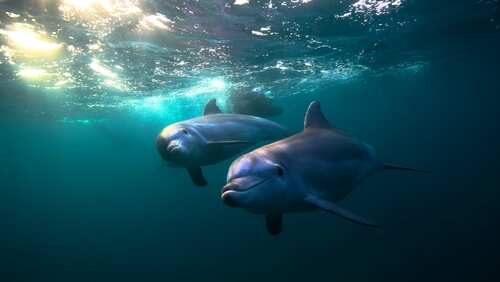
Scientists have uncovered a devastating triple threat destroying dolphin populations worldwide—neurotoxins causing Alzheimer’s-like brain damage, microplastics infiltrating their lungs, and deadly bacterial infections—revealing an environmental catastrophe that threatens human health through our shared food chain.
Story Highlights
- Dolphin brain tissue shows neurotoxin levels 2,900 times higher during harmful algal blooms, causing Alzheimer’s-like pathology
- First-ever evidence of microplastic inhalation discovered in all tested dolphins, adding to gastrointestinal contamination
- New bacterial strain Brucella ceti identified in Hawaiian waters, causing mass strandings and posing human transmission risk
- Environmental toxins bioaccumulate through food chains, threatening coastal communities consuming contaminated seafood
Climate-Driven Neurotoxins Trigger Brain Deterioration
Research from Miller School of Medicine analyzing 20 stranded bottlenose dolphins between 2010-2019 revealed catastrophic brain damage from harmful algal blooms. The neurotoxin 2,4-DAB reached concentrations 2,900 times higher during bloom seasons compared to normal periods. Brain tissue exhibited β-amyloid plaques, hyperphosphorylated tau proteins, and TDP-43 inclusions—identical pathology found in human Alzheimer’s disease patients. During bloom seasons, dolphins showed 536 differentially expressed genes associated with neurodegeneration.
Dr. David Davis from Miller School emphasizes the broader implications: “Although there are likely many paths to Alzheimer’s disease, cyanobacterial exposures increasingly appear to be a risk factor.” As global temperatures rise, harmful algal blooms intensify, creating a feedback loop between climate change and marine toxin production.
Microplastic Crisis Reaches Dolphin Respiratory Systems
Groundbreaking research from the Sarasota Dolphin Research Program documented microplastic inhalation in all 11 tested bottlenose dolphins from Sarasota Bay and Barataria Bay. This represents the first evidence of airborne microplastic exposure in wild cetaceans, adding to already severe gastrointestinal contamination. Five deceased Indus River dolphins showed heavy plastic contamination, with 94.76% being fibers and over half consisting of PET plastic from bottles and synthetic textiles.
The microplastic crisis extends beyond physical contamination. These particles carry endocrine-disrupting chemicals including bisphenols and phthalates that bioaccumulate through food webs. Study authors warn microplastics “may cause digestive dysfunction, oxidative stress, immune disruption, and reproductive toxicity” in already endangered dolphin populations confined to increasingly polluted waterways.
Emerging Bacterial Infections Compound Environmental Threats
University of Hawaiʻi researchers identified a new strain of Brucella ceti bacteria responsible for recent dolphin strandings in Hawaiian waters. Between 2000-2024, this pathogen infected seven cetacean species, causing severe brain and lung infections. Three striped dolphins stranded within seven days in June 2025, all testing positive for the bacteria.
ALZHEIMER’S DOESN’T JUST “HAPPEN.”
IT BUILDS. QUIETLY. TOXICALLY.
Here’s the part nobody tells you…
Alzheimer’s can take years to show up.
Long before the diagnosis…
CAT scans already show lesions in the brain.
Why?
💥 Mercury
💥 Heavy metals
💥 Parasites working together… pic.twitter.com/giWfk2Uh0o— skymeds store | Online Ivermectin Pharmacy (@skymeds_store) December 25, 2025
The bacterial threat poses direct human health risks through zoonotic transmission to people handling infected marine mammals. UH researchers warn that “three strandings within one week likely represents many more dolphins that died and were lost at sea,” indicating massive underestimation of infection prevalence. Combined with climate-stressed populations already weakened by toxins and microplastics, bacterial infections create a perfect storm threatening dolphin survival.
Sources:
Disoriented dolphins stranding – Discover Wildlife
Indus River dolphins plastic waste pollution – The Cool Down
EurekAlert dolphin research news release
Microplastics in dolphin breath – Sarasota Dolphin Research Program
UH researchers link dolphin strandings to infectious disease – Maui Now