A major winter storm raises deadly heart attack risks, prompting urgent warnings for snow shoveling Americans.
Story Highlights
- Recent winter storm increases heart attack risks during snow shoveling.
- Three deaths reported in Pennsylvania linked to shoveling activities.
- Experts urge caution for older adults and those with heart conditions.
- Cold temperatures exacerbate risks by constricting blood vessels.
Severe Winter Storm Warnings
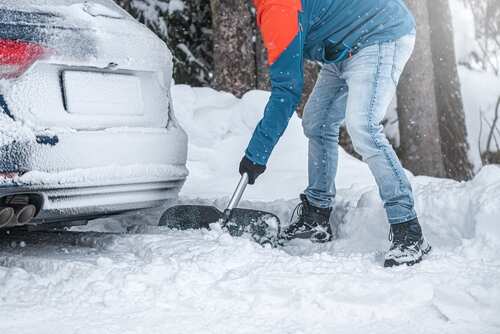
After a severe winter storm swept across the United States, health officials issued dire warnings about the increased risk of heart attacks caused by snow shoveling. The intense physical exertion required, combined with freezing temperatures, can significantly raise the danger. This weekend, in Pennsylvania’s Lehigh County, three men aged 60 to 84 succumbed to heart-related issues while shoveling snow. Local coroners have confirmed these fatalities as natural causes, highlighting the need for public awareness and caution.
Cardiologists have long cautioned against the dangers of snow shoveling, especially for older adults and those with pre-existing heart conditions. During this recent storm, experts like Christopher Kramer from UVA Health emphasized the dual issues of oxygen demand and supply, as the heart struggles to meet increased demands under cold stress. This warning is particularly relevant in snow-prone regions like Pennsylvania and Minnesota, where sedentary lifestyles are common, and exertion levels during shoveling are unexpectedly high.
Physiological Strain and Risks
Snow shoveling can be deceptively strenuous, often exceeding the intensity of exercise stress tests. In frigid temperatures, the body’s vasoconstriction response further limits blood flow, making it harder for the heart to function efficiently. A 2025 Mayo Clinic review found that just 10 minutes of heavy shoveling can push heart rates to 97% of maximum capacity, underlining the activity’s potential danger. The American Heart Association (AHA) continues to warn the public about these risks, advocating for precautionary measures such as hiring help or taking frequent breaks.
Moreover, historical data supports these warnings. A 2017 Canadian study linked snowfall of 7-8 inches to a 16% increase in heart attack hospitalizations and a 34% rise in mortality among men. These statistics emphasize the real and present danger that snow shoveling poses, particularly when compounded by cold weather. The AHA recommends that those with risk factors avoid shoveling altogether and remain vigilant for heart attack symptoms.
Long-Term Implications and Responses
The implications of these warnings extend beyond immediate health concerns. Economically, the annual toll from snow shoveling incidents, including approximately 11,500 injuries and around 100 deaths, places a considerable burden on healthcare systems. Socially, traditional gender norms that see men predominantly responsible for shoveling may exacerbate these risks. As such, there is a growing call for increased awareness and the promotion of safer practices during winter storms.
Shoveling snow? Over-exertion and cold temps can raise your heart risks https://t.co/l25Vua4kjo pic.twitter.com/sTtSPvbPFF
— Orlando Sentinel (@orlandosentinel) January 27, 2026
As the winter season continues, the focus remains on prevention. While no new fatalities have been reported since the Pennsylvania incidents, the ongoing threat necessitates sustained public education efforts. Experts stress the importance of understanding and mitigating the risks associated with snow shoveling, urging individuals to prioritize safety and health above all.
Sources:
CBS News: Winter Storm Snow Shoveling Heart Attack Risk
ABC News: Shoveling Snow and Heart Risks
Heart.org: Snow Shoveling Heart Risks
Fox News: Dangerous Health Risks of Snow Shoveling