President Trump’s decision to restore the Pentagon’s historic “Department of War” title has sparked debate among legal scholars and lawmakers about executive authority and congressional oversight.
Story Snapshot
- Trump to sign an Executive Order renaming the Department of Defense as the “Department of War,” reviving a title unused since 1949.
- The change is part of a broader campaign to promote a “warrior ethos” and reinforce traditional military values.
- Questions arise about the limits of executive authority and whether Congress must approve the permanent name change.
- Supporters see the move as a necessary correction to decades of perceived weakness and symbolic drift.
Trump’s Executive Order: Reclaiming a Historic Name
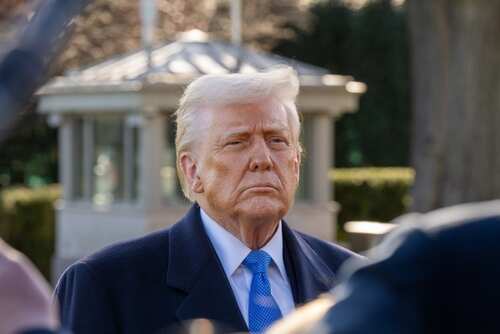
On September 5, 2025, President Donald Trump is scheduled to sign an executive order directing the Pentagon to begin using the “Department of War” as a secondary title, reviving the original designation that defined the United States military’s mission for over 150 years. Secretary of Defense Pete Hegseth, who will assume the title “Secretary of War,” is tasked with implementing the change and overseeing a transition process. If fully enacted, this would be the first major federal department renaming in decades, and administration officials have positioned it as part of President Trump’s broader effort to reframe U.S. military identity.
The Executive Order allows immediate adoption of the new title in official communications, signage, and digital platforms, while directing the Pentagon to propose legislative and regulatory steps for making the change permanent. Trump has publicly asserted that congressional approval is not necessary for the initial phase, though legal experts and some congressional leaders indicate that statutory authority for a permanent name change still resides with Congress. The administration has described the move as a symbolic assertion of U.S. readiness, intended to send a message of military resolve to both allies and adversaries.
Historical Significance and Symbolic Power
The Department of War was a foundational institution from the nation’s inception in 1789 until 1947, when post-World War II restructuring led to the creation of the Department of Defense. The name change then reflected a broader mission that included both wartime operations and peacetime defense, as well as diplomatic and humanitarian efforts. Trump’s decision to restore the historic title has been framed by supporters as a rejection of what they consider excessive bureaucratic management and cultural shifts within the military. Critics, however, contend the rebranding could complicate diplomacy and public trust. By reviving this symbol, the administration intends to reassert American military might and tradition.
The timing of the announcement comes as debates over military culture and readiness continue to simmer. Many conservatives see the “Department of War” branding as a return to clarity of purpose and a rejection of globalist, conciliatory trends that, in their view, have weakened America’s defensive posture. Critics, however, warn that rebranding may project unnecessary aggression on the world stage and complicate diplomatic relationships. No modern precedent exists for such a symbolic reversal, making this a significant test of both executive authority and public sentiment.
Executive Authority, Congressional Dynamics, and Public Reaction
The Executive Order’s legal standing raises questions about the balance of powers between the president and Congress. While Trump’s team claims that the order requires no additional legislative approval, congressional statutes ultimately govern federal department names. This may set up a confrontation in which Congress could either endorse, reject, or seek to modify the change. The process for permanent adoption will likely include proposed legislation and further executive actions, with both parties seeking to leverage the issue for political advantage.
Within the Pentagon, immediate rebranding will affect official documents, websites, and public-facing materials. This symbolic shift is expected to energize service members who feel sidelined by recent policies and to resonate with Americans who prioritize tradition, strength, and constitutional values. On the other hand, the move may trigger controversy among opponents who view it as a step backward or a distraction from operational priorities. The broader implications remain to be seen, but the Trump administration’s willingness to break with precedent is already stirring public debate and legislative scrutiny.
Trump to rename Pentagon, restoring historic ‘Department of War’ in latest military move https://t.co/Dn5ou1mL4P #FoxNews
— 💜Naddez💜 (@Naddez1) September 5, 2025
Some defense experts argue that the renaming is a largely symbolic gesture unlikely to change day-to-day military operations. However, the long-term impact on military culture, recruitment messaging, and international perceptions could be substantial. Supporters hail the move as a revival of core American values and a necessary correction to decades of perceived weakness. Detractors caution that the symbolism could complicate foreign relations and invite unnecessary provocations. As the Pentagon prepares for this historic transition, the coming months will reveal whether the “Department of War” title becomes a permanent fixture or a temporary flashpoint in America’s ongoing debate over defense and national identity.
Sources:
Trump to rename Pentagon, restoring historic ‘Department of War’ in latest military move
Trump to sign executive order renaming Pentagon ‘Department of War’
Trump to sign order renaming Pentagon ‘Department of War,’ White House says