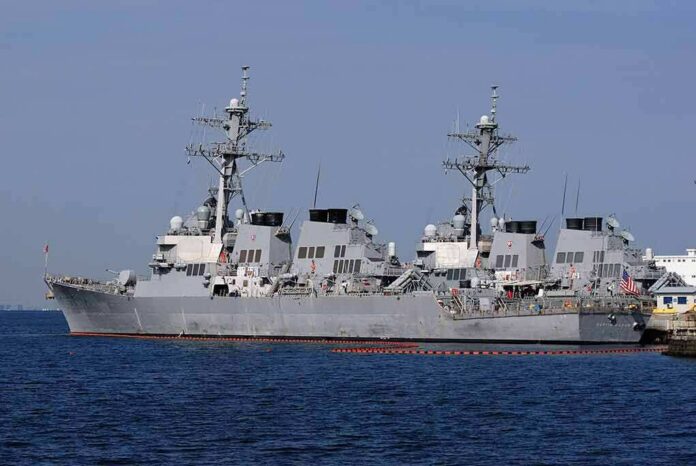
The U.S. Navy set a firm goal to have 80% of its fleet combat-surge-ready by January 1, 2027—and the clock is running.
Story Snapshot
- Navy leaders set an 80% surge-readiness target tied to maintenance, training, and stable funding.
- Government watchdogs report years of delays, missed schedules, and higher costs across shipbuilding.
- Attack submarines lost over 15,000 operational days to delays in the past decade, with high added costs.
- The gap between goals and execution fuels public concern that institutions promise more than they deliver.
Navy’s Readiness Pledge and What It Requires
Navy leaders told Congress they aim to make 80% of ships, submarines, and aircraft ready to surge for combat by January 1, 2027. They linked the goal to cutting maintenance delays and improving manning, training, modernization, sustainment, and stable budgets. Naval Sea Systems Command put the 80% target in its enterprise strategy. That document describes balanced cycles for maintenance, training, and deployment as the path to sustain that level over time.
The Navy’s plan addresses problems that have dogged the fleet for years. The Government Accountability Office found repeated slippage in ship maintenance and training, which hurts readiness. The office said longer deployments and deferred work drove down ship conditions. It warned recovery would take sustained attention and follow-through across many years, not just one budget cycle. Those findings raise the bar for hitting the 2027 goal, even with new funding lines.
Shipbuilding and Maintenance Reality Check
Independent reviews say shipbuilding programs often cost more and finish late. The Government Accountability Office reported the Navy and Coast Guard have seen years of schedule delays and billions in overruns across major programs. These problems trace back to design changes during construction, thin shipyard capacity, and a shortage of skilled workers. Each delay ripples across the fleet plan, squeezing training time and pushing back maintenance windows into the next cycle.
Submarine maintenance shows the stakes of missed schedules in sharp relief. Over the last decade, attack submarines lost more than 15,000 operational days due to maintenance delays and idle time. Those gaps carried large added costs while giving no operational output. When submarines and carriers sit in the yard longer than planned, commanders have fewer options at sea. That shortfall stresses crews on the ships that do deploy, and it reduces time for safety and training back home.
Why This Matters to Taxpayers and Troops
Congress, the Pentagon, and shipyards all share pieces of the problem and the fix. Unstable budgets, late designs, and weak oversight waste time and money. Aging yards and thin workforces slow every job. These are not partisan talking points; they are documented hurdles that block readiness and drain public trust. People across the spectrum see the same pattern: big promises at the podium, slow progress on the pier. Hitting 80% requires breaking that pattern with verified results, not slogans.
What to watch next are the hard markers that matter. First, on-time completions for carrier, submarine, and surface ship maintenance in fiscal years 2026 and 2027. Second, fewer change orders and rework during construction. Third, hiring and training gains at public and private yards that hold for more than one surge. Fourth, steady training time protected from last‑minute tasking. These are the levers that convert dollars and plans into real ships at sea, ready when called.
Sources:
congress.gov, gao.gov, navsea.navy.mil