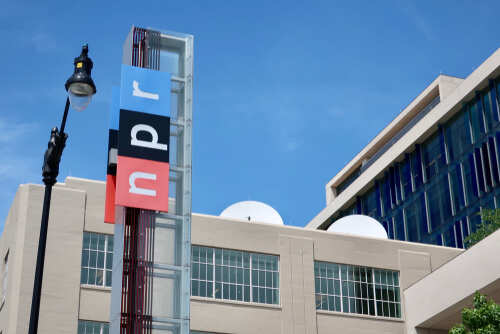
NPR’s public editor claims there’s no political bias—just “geographic bias”—while the leftist network faces calls for defunding, a federal lawsuit, and a firestorm over its alleged refusal to serve Americans in the heartland.
At a Glance
- NPR is facing renewed calls for defunding over its long-standing liberal bias.
- The Trump administration has moved to cut federal funding, triggering a lawsuit from the network.
- NPR’s own public editor, Kelly McBride, has dismissed accusations of political bias, claiming the issue is merely “geographic.”
- The debate exposes deep divides over taxpayer funding for media and the future of public broadcasting.
NPR’s Pathetic Excuse for Rampant Bias
At the height of the firestorm over its perceived left-wing slant, National Public Radio’s public editor, Kelly McBride, offered an explanation that left many Americans shaking their heads. Instead of owning up to decades of progressive editorial bias, McBride claimed the real problem was “geographic bias.” According to her, NPR’s staff is just too concentrated on the coasts, and that’s why their reporting seems so out of touch with the values of Middle America.
NPR has suspended an editor who published an essay saying the network’s liberal bias tainted its coverage of important stories. The editor, Uri Berliner, was for suspended violating NPR's policy against doing outside work without first getting permission. https://t.co/koytyv85YJ
— The New York Times (@nytimes) April 16, 2024
For listeners in the real world—the ones who pay taxes and raise families far from the urban bubbles of New York and San Francisco—this excuse comes off as a laughable dodge. When taxpayers hear NPR reporters frame every story through a progressive lens, it’s hard to believe that geography, not ideology, is the problem.
The Trump Administration Draws a Line in the Sand
Fed up with what it calls “radical woke propaganda” on the public’s dime, the Trump administration has moved to slash taxpayer funding for NPR and the Corporation for Public Broadcasting. The move has sparked a predictable lawsuit from NPR, which claims the decision violates the Constitution.
For years, public broadcasting has survived threats to its federal funding, but this time the pressure is direct and relentless. The administration’s stance is clear: if NPR wants to act as the media arm of the liberal elite, it shouldn’t do so with taxpayer money. This is more than political theater; it’s a battle over whether Americans should be forced to fund a media organization that is openly hostile to their values.
A Battle for the Soul of Public Media
The NPR controversy is just one front in a larger war over media trust and taxpayer accountability. As the lawsuit moves through the courts, the question remains: why should taxpayers in “flyover country” continue to subsidize a network that seems uninterested in their lives and openly disdainful of their beliefs?
Defenders of public broadcasting argue that it provides vital news coverage. But critics counter that NPR’s editorial slant makes it unworthy of public support. As the administration pushes for accountability, the future of public broadcasting hangs in the balance. The days of a blank check for government-funded media are over.