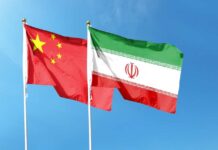
As the United States gears up to exit UNESCO once more, China accuses America of shirking its global responsibilities, igniting a heated debate over the nation’s international obligations.
At a Glance
- The US announced its withdrawal from UNESCO, effective December 2026.
- China criticizes the US for undermining multilateral cooperation.
- UNESCO faces a potential budget shortfall and program cuts.
- The US cites UNESCO’s divisive causes and focus on SDGs as reasons for leaving.
US Announces UNESCO Withdrawal—Again
The Trump administration has once more announced the United States’ withdrawal from the United Nations Educational, Scientific and Cultural Organization (UNESCO), marking the third time the US has pulled out of the organization. The decision, announced in July 2025, will take effect in December 2026. The administration cited UNESCO’s alignment with “divisive social and cultural causes” and its focus on the UN Sustainable Development Goals (SDGs) as being incompatible with the “America First” policy.
🇺🇸🇺🇳 NEW: The U.S. is pulling out of UNESCO—again
This follows a long arc of disengagement that began under Obama, who cut all U.S. funding in 2011 after UNESCO admitted Palestine as a full member—triggering a decade of unpaid dues and diplomatic fallout. The cut was mandated by… https://t.co/zLCB3KOney
— Drop Site (@DropSiteNews) July 22, 2025
China, unsurprisingly, has jumped at the chance to criticize the move, painting the US as irresponsible. Let’s be honest, this isn’t about responsibility; it’s about standing up for American values and interests. The US has a history of contentious relations with UNESCO, having previously withdrawn under President Reagan in 1984 and President Trump in 2017, each time citing issues like mismanagement and anti-Israel bias. Now, under President Trump once more, the US is stepping away from what it sees as an organization that no longer aligns with its priorities.
China’s Reaction and Global Implications
China’s Foreign Ministry was quick to criticize the US decision, calling for a renewed commitment to multilateralism. They would love nothing more than to step into the leadership vacuum left by the US and expand their influence. After all, China has been positioning itself as a champion of multilateralism, seeking to bolster its global image. But let’s not kid ourselves—this is about advancing Chinese interests, not some noble commitment to international cooperation.
With the US withdrawing, UNESCO faces an immediate budget shortfall, given that the US contributed approximately $75 million annually. This funding gap threatens to reduce UNESCO’s ability to execute its global programs, particularly those based in the US. It’s a tough pill to swallow, but the truth is that US taxpayers shouldn’t be footing the bill for an organization that doesn’t prioritize American interests.
Impact and Future Outlook
The withdrawal casts a shadow over US influence in global education, science, and cultural policy. This is a crucial point—the erosion of US power in these areas is a direct consequence of stepping back. However, it’s also an opportunity for other countries, notably China, to increase their influence within UNESCO and the broader UN system. This shift could potentially weaken multilateralism and international cooperation in key sectors, but it’s a necessary recalibration.
UNESCO will need to adjust its budget and programs in anticipation of the loss of US funding. Meanwhile, the US will remain a member until the end of 2026, giving UNESCO some time to recalibrate. The real question is, will the organization take this opportunity to address the concerns raised by the US, or will it continue down its current path?